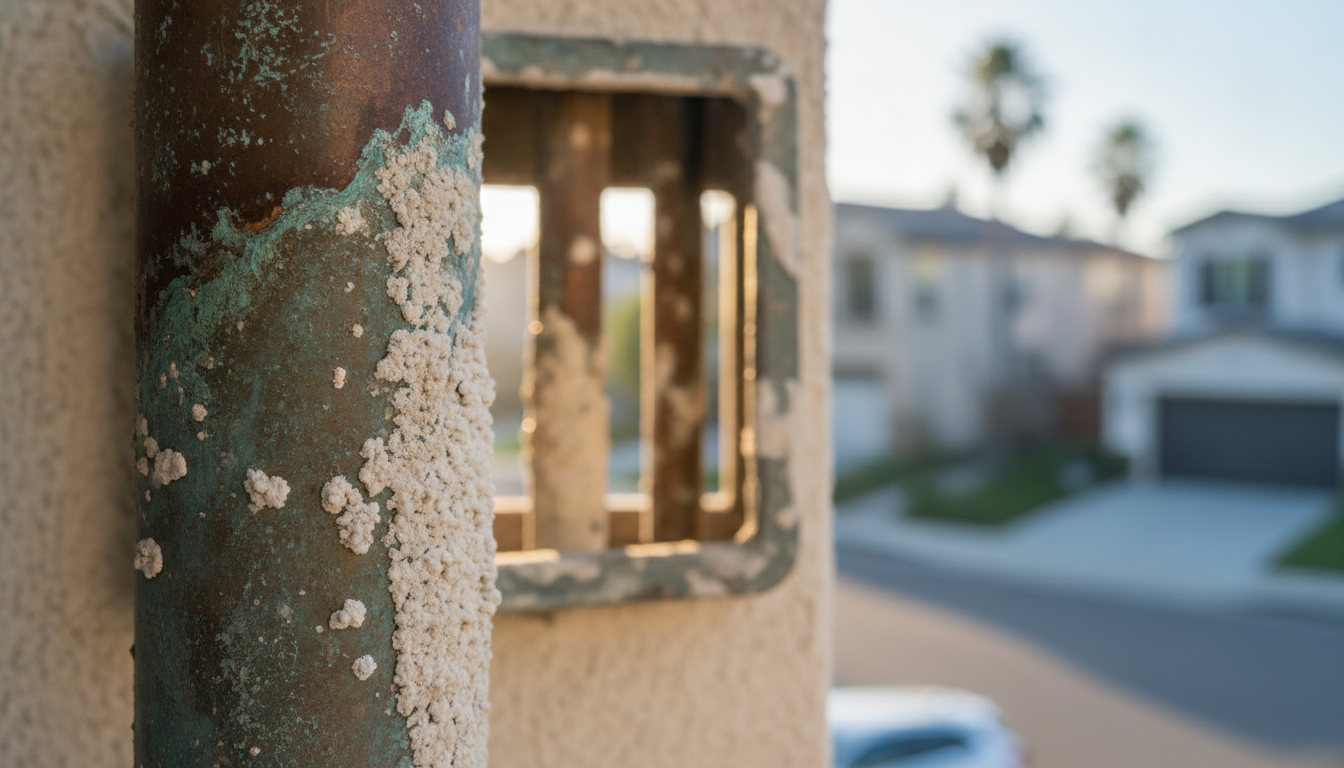
Many homeowners across the region face silent threats within their home infrastructure. Mineral-heavy supply lines often lead to hard water drain damage Los Angeles residents frequently overlook until a major failure occurs.
These deposits accumulate inside pipes, restricting flow and causing significant stress on your home systems. Ignoring these Los Angeles plumbing issues can lead to costly repairs or complete system replacements over time.
Vigilance is essential for maintaining a healthy home environment. If you notice slow flow or unusual noises in your pipes, it is time to act. Please contact our professional team at (213) 463-9657 to inspect your lines today.
Key Takeaways
- Mineral buildup creates long-term stress on residential pipe systems.
- Early detection prevents expensive emergency repairs for homeowners.
- Slow flow often indicates significant internal mineral accumulation.
- Professional inspections ensure your infrastructure remains in top condition.
- Contact experts immediately if you suspect your pipes are compromised.
Understanding the Composition of Los Angeles Water
The water in Los Angeles has a special mix of chemicals. This mix includes high levels of dissolved minerals. These minerals are safe but change the LA water quality over time.
The Mineral Content of Local Water Supplies
Los Angeles water mainly has calcium and magnesium. These minerals come from underground rock formations. When they reach high levels, the water is called “hard.”
This mix of minerals is key to water hardness in California. As water flows through your pipes, these minerals form scale deposits. These deposits build up on your pipes’ walls.
Why Los Angeles is Classified as a Hard Water Region
Los Angeles gets water from far away and local sources. Much of this water comes from areas full of limestone and chalk. These areas add to the water’s mineral content.
Seasonal changes also affect the mineral levels. Dry periods make the minerals more concentrated. This impacts the LA water quality. Knowing this helps homeowners understand the plumbing challenges in Los Angeles.
The Science Behind Hard Water Drain Damage Los Angeles
The problem of hard water drain damage Los Angeles faces is based on chemistry. Water picks up lots of dissolved minerals as it moves through pipes. These minerals then turn into solid deposits that stick to the inside of pipes.
How Calcium and Magnesium Accumulate in Pipes
Calcium and magnesium cause scale buildup. When water moves through pipes, changes in temperature and pressure make these minerals precipitate. This creates a hard, chalky substance called limescale.
These particles stick together over time, forming thick layers. This buildup is worse in hot water lines because heat speeds up the process. Consistent buildup can narrow pipes, reduce flow, and increase blockage risk.
The Chemical Reaction Between Minerals and Pipe Materials
Hard water also causes chemical reactions with pipes. Minerals reacting with metal can lead to electrochemical corrosion. This often results in pitting, where small holes form in the pipe wall.
These pitted surfaces attract more minerals and debris. Knowing this helps homeowners tackle hard water drain damage Los Angeles plumbing systems face every day.
Identifying Early Signs of Mineral Buildup
Mineral buildup in pipes often goes unnoticed, but it leaves clear signs. Catching these signs early can prevent big damage to your plumbing. Proactive maintenance saves money compared to emergency fixes.
Changes in Water Pressure and Flow Rates
A drop in water pressure is a common sign of buildup. When mineral buildup in pipes happens, it narrows the pipes. This means less water can flow through.
Watch for these changes:
- A sudden drop in pressure when many faucets are on at once.
- Flow rates that change without an obvious reason.
- Slower filling times for bathtubs or large basins than before.
Visual Indicators of Scale Deposits in Fixtures
You can also see buildup in your fixtures. Minerals often leave a chalky, white, or off-white residue. This is hard to clean with regular cleaners.
“The presence of crusty deposits on your showerhead is rarely just a surface issue; it is a reliable indicator of the mineral load traveling through your entire home plumbing system.”
Look out for these signs:
- White, crusty buildup around faucet aerators.
- Water spots on stainless steel sinks or glass shower doors that don’t go away after cleaning.
- Reduced spray patterns on showerheads due to clogged nozzles.
If you see these signs, it’s time to check further. Fixing scale deposits in pipes early keeps your plumbing working well for a long time.
The Long-Term Impact on Residential Plumbing Systems
Hard water slowly damages plumbing systems in homes. The damage isn’t always easy to see. But, pipes face constant chemical stress, leading to serious damage over time.
To prevent this, it’s crucial to use pipe corrosion prevention strategies. This helps manage the damage effectively.
Corrosion and Pitting in Metal Piping
Metal pipes, like copper or galvanized steel, react with minerals in hard water. These minerals speed up the corrosion process. As the metal wears down, small holes called pits start to form.
These pits make the pipes weak. They can lead to leaks and bursts. To avoid costly repairs, it’s important to prevent corrosion. Without action, the whole plumbing system can be damaged by these small holes.
The Role of Scale in Reducing Pipe Diameter
Scale buildup also blocks water flow. Minerals deposit on the pipe walls, forming a hard layer. This layer reduces the pipe’s diameter.
This makes the plumbing system work harder. It can lead to early failure of valves and fixtures. Homeowners should watch their water pressure to see if scale is affecting it.
| Stage of Damage | Physical Condition | System Impact |
|---|---|---|
| Early | Thin mineral film | Minimal flow reduction |
| Moderate | Visible scale deposits | Noticeable pressure drop |
| Advanced | Pitting and heavy scale | High risk of pipe failure |
How Hard Water Affects Different Types of Pipe Materials
The material of your home’s plumbing system greatly affects how it handles hard water in Los Angeles. It’s important to check the pipe material durability to protect your home from mineral buildup.
Copper Piping Vulnerabilities
Copper is a popular choice for plumbing, but it faces challenges from hard water. The hard water effects on copper can cause pitting and pinhole leaks. Minerals can also damage the protective layer inside the pipe, leading to corrosion.
Galvanized Steel and Mineral Interaction
Many older homes have galvanized steel pipes, which are prone to mineral buildup. These pipes have a rough surface that attracts calcium and magnesium. This buildup can block water flow and cause pipes to fail over time.
PEX and PVC Resilience Against Scale
Modern materials like PEX and PVC are better suited for areas with high minerals. These plastics don’t corrode like metal pipes do. Their smooth surfaces also prevent scale buildup. Regular drain maintenance in Los Angeles is crucial, no matter the pipe type.
Choosing the right material balances cost and durability. Plastic pipes resist scale well, but metal pipes need more care. Knowing these differences helps homeowners make better choices for their plumbing.
The Connection Between Hard Water and Drain Clogs
Hard water does more than just spot your dishes; it actively compromises your home’s drainage system. Many residents focus on the visible effects of minerals. But the internal damage to pipes often goes unnoticed until a major blockage occurs. Recognizing this link is the first step toward finding effective drain clog solutions.
How Mineral Deposits Create Rough Surfaces for Debris
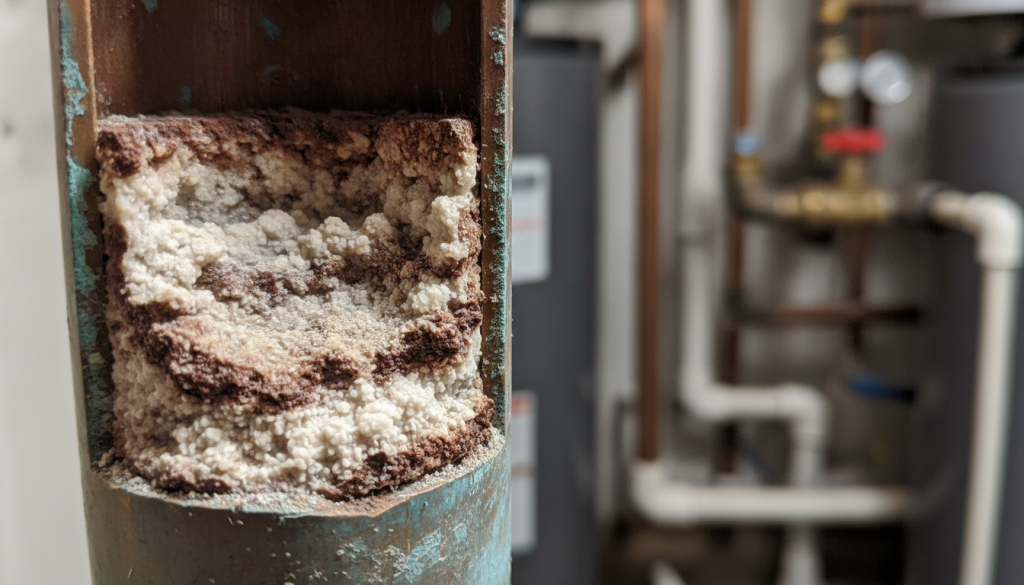
Inside your plumbing, water high in calcium and magnesium leaves behind a crusty residue known as limescale. Over time, these scale deposits in pipes transform smooth interior walls into rough, jagged surfaces. This texture acts like a magnet for household waste.
Once the pipe surface becomes textured, it creates a perfect environment for debris to anchor itself. Common materials that would normally flow through the system easily begin to snag on these rough patches. Consider the following items that frequently get trapped:
- Strands of hair and pet fur
- Cooking grease and food particles
- Lint from laundry discharge
- Small bits of organic matter
The Synergy Between Soap Scum and Hard Water
The problem intensifies when minerals interact with the fatty acids found in soaps and detergents. This chemical reaction produces a sticky, insoluble substance commonly referred to as soap scum. Unlike standard soap, this residue does not rinse away easily with water.
This substance acts as a powerful adhesive, binding debris to the already rough pipe walls. As the layer of scum thickens, it significantly narrows the diameter of the drain, leading to slow drainage and eventual blockages. Effective maintenance requires addressing both the mineral buildup and the resulting chemical residue to ensure your pipes remain clear.
Homeowners should prioritize proactive drain clog solutions to prevent these stubborn obstructions from forming. By managing the mineral content in your water, you can protect your plumbing from the compounding effects of scale and soap scum.
Economic Consequences of Ignoring Plumbing Maintenance
Many homeowners don’t see the harm in skipping plumbing maintenance Los Angeles. It might seem like saving money at first. But, ignoring maintenance can lead to big problems that cost a lot to fix.
Rising Utility Costs Due to Inefficient Heating
Mineral buildup in water heaters makes them work harder. This inefficiency increases your energy bills. Over time, this waste adds up to a big financial loss.
“An ounce of prevention is worth a pound of cure, especially when it comes to the hidden infrastructure of your home.”
The High Cost of Emergency Pipe Replacements
Unmaintained pipes can corrode or get blocked. This can cause sudden bursts that need emergency plumbing services to fix. These urgent repairs cost a lot more than regular maintenance.
Regular plumbing maintenance Los Angeles helps avoid these big problems. It keeps systems working well. Using emergency plumbing services should be a last resort, not a regular thing.
Professional Diagnostic Methods for Plumbing Health
Advanced tools have changed how experts find hidden problems in home pipes. Guesswork can lead to extra repairs. But, a detailed plumbing pipe inspection shows exactly what needs fixing. This way, technicians can fix issues before they become big problems.
Video Pipe Inspections for Hidden Scale
High-definition video is a top way to check pipe health. A camera is put into the pipe, showing what’s inside in real time. This is key for spotting mineral buildup in pipes that’s hard to see.
Seeing the scale helps pros decide if a simple clean or a bigger fix is needed. This makes sure homeowners get the right advice for their pipes. It also helps with the worry of old plumbing systems.
Water Quality Testing and Analysis
Knowing what’s in the water is also crucial. Water tests show how much calcium and magnesium are in it. This info helps experts plan the best way to stop mineral buildup in pipes.
“Proactive diagnostics are the cornerstone of a resilient plumbing system. By identifying the root cause of mineral accumulation early, homeowners can save thousands in potential pipe replacement costs.”
The table below shows the main differences between these two key tests:
| Diagnostic Method | Primary Benefit | Target Issue |
|---|---|---|
| Video Inspection | Visual confirmation | Physical blockages and scale |
| Water Analysis | Chemical profiling | Hardness levels |
| Pressure Testing | Flow assessment | System efficiency |
Using these tests together gives a full picture of your plumbing’s health. A detailed plumbing pipe inspection and water analysis help homeowners make smart choices. Getting these services is a wise move to keep your home’s water system in top shape.
Preventative Measures to Protect Your Home Plumbing
Effective plumbing maintenance Los Angeles residents rely on starts with understanding how to stop mineral buildup before it begins. By taking control of your water quality, you can avoid the costly repairs associated with scale accumulation. Implementing a few key strategies will ensure your pipes remain clear and functional for years to come.
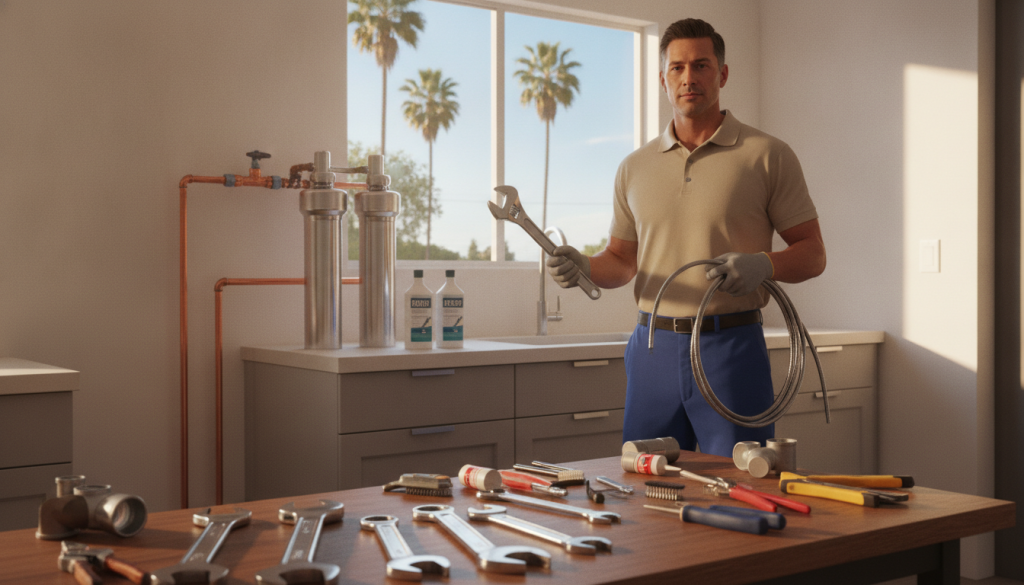
Installing Whole-House Water Softening Systems
One of the most reliable ways to combat mineral deposits is by installing water softening systems at the main water line. These units work by exchanging calcium and magnesium ions for sodium or potassium ions. This process effectively neutralizes the hardness of the water before it ever reaches your faucets or appliances.
The primary advantages of these systems include:
- Extended lifespan for water heaters and dishwashers.
- Reduced soap scum buildup on shower doors and fixtures.
- Improved efficiency of cleaning agents and detergents.
- Consistent water pressure throughout the entire home.
The Benefits of Descaling Treatments
For those who already have existing mineral deposits, professional descaling is a vital step in pipe corrosion prevention. This process involves circulating specialized solutions through your plumbing to dissolve stubborn scale. It restores the original diameter of your pipes and improves overall flow rates.
Regular descaling helps maintain the structural integrity of your plumbing system. It is particularly useful for older homes where mineral buildup has accumulated over several decades. Consider the following comparison of maintenance approaches:
| Method | Primary Benefit | Frequency |
|---|---|---|
| Water Softening | Prevents new scale | Continuous |
| Chemical Descaling | Removes existing buildup | As needed |
| Pipe Inspection | Identifies hidden damage | Annually |
Consistency is the key to long-term success. By combining a softening system with periodic professional check-ups, you create a robust defense against the harsh effects of local water. Investing in these preventative measures today will save you from significant financial stress in the future.
When to Seek Expert Plumbing Assistance
Knowing when to stop trying to fix a drain yourself is vital for protecting your home’s infrastructure. While many homeowners feel confident handling minor clogs, certain situations indicate that the underlying problem is far more complex than a simple blockage.
Recognizing When DIY Solutions Fail
It is common to attempt quick fixes, but these methods often provide only temporary relief. If you notice that your drains clog repeatedly despite your best efforts, it is time to consider professional residential plumbing repair. Persistent issues usually point to deep-seated mineral buildup that standard tools cannot reach or remove effectively.
Watch for these warning signs that indicate your DIY efforts are no longer sufficient:
- Water backing up in multiple fixtures simultaneously.
- Persistent gurgling sounds coming from your pipes.
- Slow drainage that does not improve after using plungers or snakes.
- Unpleasant odors emanating from drains despite regular cleaning.
Contacting Professionals at (213) 463-9657
When you reach the limit of your own tools, professional intervention is the safest path to prevent catastrophic damage. A licensed technician can perform a comprehensive evaluation to identify hidden scale deposits that threaten your pipes. Relying on experts ensures that your system receives the correct treatment before a minor issue turns into a major disaster.
If you are facing a sudden pipe failure or severe blockage, do not hesitate to reach out for emergency plumbing services. You can contact the professional team at (213) 463-9657 to schedule an inspection. Taking proactive steps today will save you from the high costs of extensive repairs in the future.
Common Myths About Hard Water and Drain Care
Dealing with drain care means knowing what’s real and what’s not to keep your pipes safe. Many people try quick fixes that seem to work but can cause big problems later. It’s key to know the truth about these myths to keep your home’s pipes in good shape.
Debunking Chemical Drain Cleaner Efficacy
Many think store-bought cleaners are the best way to clear drains. But these products can harm your pipes. They have harsh chemicals that can corrode metal pipes and cause leaks.
Also, these cleaners don’t really solve the problem of hard water buildup. They might clear a small blockage but leave the big problem behind. Using them too much can lead to needing a professional to fix your pipes.
“The most effective way to maintain a healthy plumbing system is through consistent, non-corrosive care rather than relying on harsh chemical shortcuts that compromise pipe longevity.”
The Truth About Vinegar and Baking Soda Solutions
Some turn to vinegar and baking soda to clean drains. They work well for small blockages but can’t handle hard water buildup. These minerals are tough for household acids to break down.
For serious clogs, vinegar and baking soda might look good but don’t really solve the problem. They can’t get through thick, hard buildup. For real fixes, you need a pro with the right tools.
| Method | Effectiveness on Scale | Risk to Pipes |
|---|---|---|
| Chemical Cleaners | Low | High |
| Vinegar & Baking Soda | Minimal | None |
| Professional Descaling | High | Low |
Choosing the right drain clog solutions is crucial for your home’s health. Avoiding myths and sticking to proven methods can save you money. Always choose options that protect your pipes, not just quick fixes.
Environmental Factors Influencing Water Hardness in LA
The water we use at home comes from a long journey. It passes through many environmental factors that affect LA water quality. These factors change the water’s mineral content. This is why water treatment is needed before it reaches our homes.
Groundwater Sources and Seasonal Variations
In California, water hardness changes due to where the water comes from. Heavy rain or snowmelt can mix with groundwater. This mixing can change the water’s mineral levels. Seasonal changes also mean water providers have to switch sources, affecting how water works in our homes.
These changes cause Los Angeles plumbing issues all year. When the water’s mineral balance changes, so does its chemical stability. This can make scale deposits in our pipes worse.
Infrastructure Age and Its Role in Mineral Accumulation
The age of the water system is also key. Many parts of LA have old pipes. These pipes are rough, which helps minerals stick and build up over time.
Water flowing through these pipes picks up more sediment and particles. This makes Los Angeles plumbing issues worse. Knowing about these factors helps us understand our local water better.
| Factor | Impact Level | Primary Effect |
|---|---|---|
| Seasonal Rainfall | Moderate | Dilution of mineral content |
| Groundwater Extraction | High | Increased calcium/magnesium |
| Infrastructure Age | High | Sediment and scale buildup |
| Pipe Material | Low | Corrosion susceptibility |
Conclusion
Keeping the mineral content in Los Angeles water under control is crucial for homeowners. It stops the silent buildup of scale that can harm residential pipes.
Regular maintenance is the best way to avoid expensive repairs. Getting professional inspections helps find hidden damage early. This prevents emergency pipe failures. These steps also make plumbing fixtures last longer and keep water flowing well.
Homeowners who care for their systems save a lot of money. Using water softeners or descaling treatments keeps the property’s value high. Taking action now means having a reliable water supply for years.
Contact local plumbing experts to check your pipes. Regular checks keep your home running smoothly and save your budget from plumbing surprises.
