A clogged drain can disrupt your daily routine in a flash, and in a city like Los Angeles, where time is always of the essence, the last thing you want is a plumbing disaster. From standing water in your sink to unpleasant smells, these are all signs that your drains need immediate attention. The key to avoiding major headaches is recognizing the signs early and taking action before the problem worsens.
Sommaire
ToggleCommon signs of clogged drains
Clogged drains can sneak up on you, often starting with small, subtle signs that can easily be overlooked. Whether it’s a slow-draining sink or a mysterious smell, these early warning signs are critical in preventing bigger plumbing issues down the road.
Slow drainage
One of the first and most common signs of a clog is slow drainage. Whether it’s your kitchen sink, bathroom sink, shower, or bathtub, water taking longer to drain than usual is often a warning sign. Slow drainage occurs when debris starts to build up inside the pipes, restricting the flow of water. If left unaddressed, slow drainage can eventually lead to complete blockages. Start by using a plunger or try pouring hot water down the drain to break up the buildup. If the problem persists, a drain snake may be required to dislodge the debris further down the pipe.
Foul odors
If you notice bad, musty, or rotten smells coming from your drain, it’s a sign that something is stuck inside, often organic matter like food waste, soap scum, or hair. These materials can start to decompose, leading to unpleasant odors in your sink, bathtub, or shower. These smells can also indicate that bacteria or mold is developing inside your pipes. Start by cleaning out the visible debris and try using a mixture of baking soda and vinegar to clear the pipes. If the smell persists, it’s likely deeper in the pipes, requiring a professional plumber.
Gurgling sounds
Hearing gurgling noises coming from your drains is often a sign of an impending clog or blockage. This occurs when air is trapped behind the obstruction and escapes through the water as it flows through the pipes. The air pockets are usually caused by debris buildup or a partial blockage, which obstructs the normal flow of water. If you notice gurgling sounds, try plunging the drain first to dislodge the blockage. If that doesn’t work, a drain snake or plumbing auger can be used to break up the clog.
Water backing up
Water backing up into your sink, shower, or bathtub after you run water is one of the most obvious signs of a clogged drain. This happens when the flow of water is completely blocked, and instead of draining properly, the water rises up and can cause a mess. It’s particularly concerning when this occurs in multiple fixtures at once, as it indicates that the main drain or sewer line might be affected.
The first step is to check for any visible debris around the drain opening and clear it away. If water is still backing up, you may need to use a drain snake or hydro-jetting to clear the blockage further down in the system. For serious backups, it’s best to call a plumber for a thorough inspection.
Overflowing toilets or sinks
An overflowing toilet or sink is a major sign of a clogged drain. It occurs when the drain is completely blocked, causing water to rise instead of draining. Toilets are particularly vulnerable due to the larger water volume. Overflowing can lead to water damage, making it urgent to fix. Use a plunger to try and push the blockage through. If the water continues to rise, call a plumber. For sinks, a drain snake can help, but if the problem persists, professional assistance is needed.
How to fix clogged drains
Clogged drains can be a real hassle, disrupting your daily routine and leading to potential water damage. Whether it’s a slow-draining sink, a gurgling shower, or a complete blockage, knowing how to fix it quickly can save you time and money.
Use a plunger
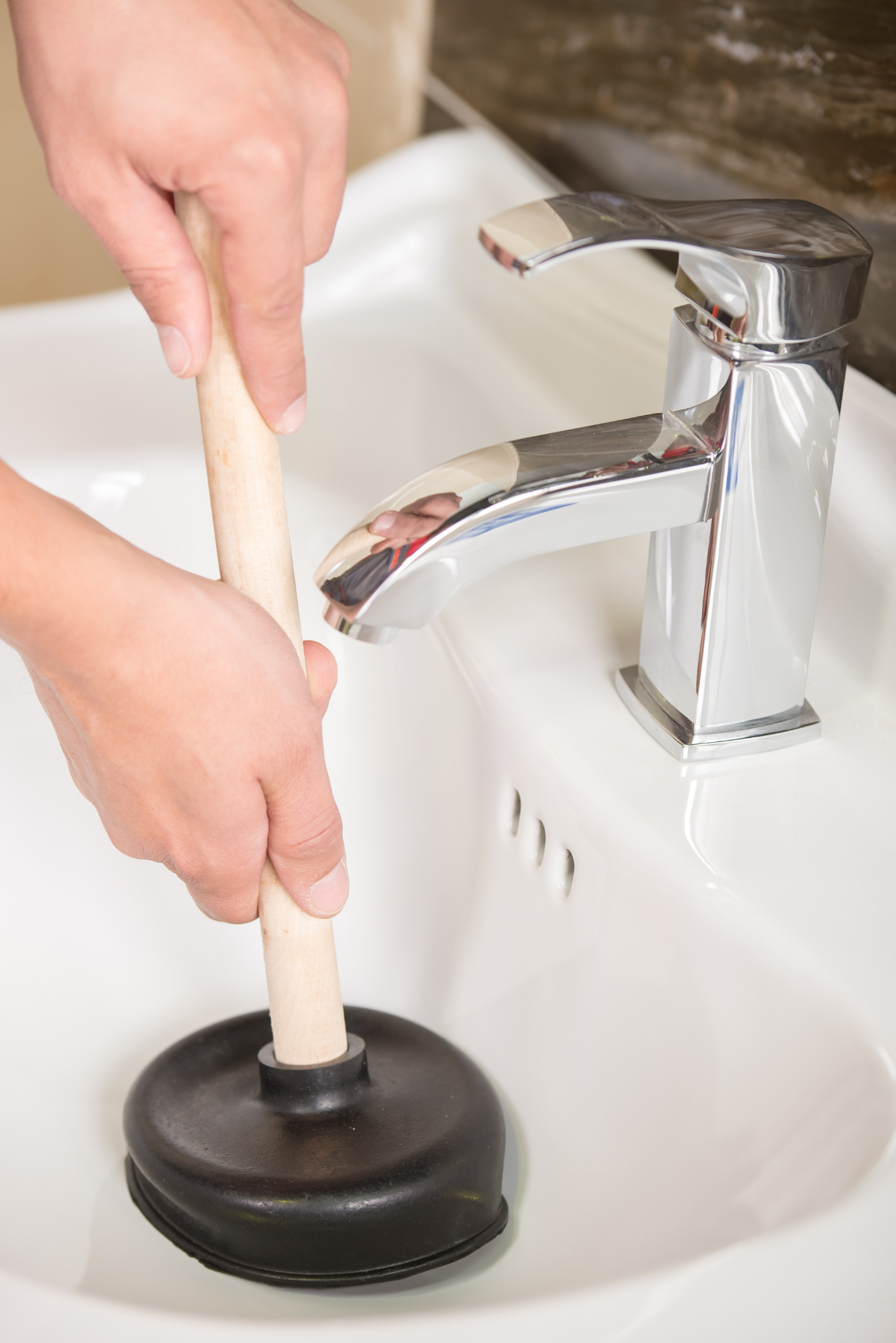
A plunger is one of the simplest and most effective tools for clearing clogs in sinks, toilets, and bathtubs. By creating pressure in the pipes, the plunger can dislodge debris and push the clog through. Make sure to use a sink plunger (with a flat edge) for sinks and bathtubs, and a toilet plunger (with a flange) for toilets.
How to use it
Position the plunger over the drain and press down firmly. Create a vacuum by pushing and pulling with quick, forceful strokes. After 10-15 strokes, remove the plunger to see if the water drains. Repeat if necessary.
2. Try a baking soda and vinegar solution
For a more natural cleaning method, a baking soda and vinegar solution can help break down grease, soap scum, and minor clogs. Baking soda and vinegar react to create a fizzy effect that helps loosen debris inside the pipes.
How to use it
Pour 1/2 cup of baking soda into the drain, followed by 1/2 cup of white vinegar. Cover the drain and let it sit for 15-20 minutes. Flush the drain with boiling water to clear out the remaining debris.
Use a drain snake or plumbing auger
For more stubborn clogs, a drain snake (also known as a plumbing auger) is a handy tool to break up and remove the blockage. Drain snakes can reach deep into the pipes and grab onto debris, allowing you to pull it out or push it through.
How to use it
Insert the drain snake into the drain and twist the handle to move the cable through the pipe. When you feel resistance, rotate the handle to break the blockage apart. Once the obstruction is cleared, pull the snake out and run water to check the flow.
Clean the p-trap
Sometimes, the issue can be located right under your sink in the P-trap, a U-shaped pipe that can collect debris. Cleaning it out can eliminate clogs caused by hair, food particles, or soap scum.
How to clean it :
Place a bucket under the P-trap to catch any water, then unscrew the trap. Remove any debris and clean the trap with hot water and a brush. Reassemble the trap and check the drain to ensure water is flowing properly.
Call a professional plumber
If your drain remains clogged after trying these methods, it’s time to call a professional plumber. Plumbers have specialized tools like hydro-jetting machines that can clear even the toughest clogs without damaging your pipes. They can also inspect your pipes for other underlying issues, such as tree roots or pipe damage.
Identifying and fixing clogged drains early can save you from more severe plumbing problems in Los Angeles. Whether it’s a slow drain, foul odors, or water backing up, addressing these signs right away can prevent expensive repairs and keep your plumbing system running smoothly. If DIY methods don’t work, don’t hesitate to call a professional plumber to get the job done efficiently.
