Tired of expensive plumber bills? Discover how mastering drain snake usage can save you money. This handy tool tackles pesky clogs with ease, keeping your home’s plumbing in tip-top shape. Whether you’re a DIY enthusiast or just looking to avoid calling in the pros, our guide breaks down the steps for using a drain snake effectively.
Sommaire
ToggleUnderstanding the drain snake: a plumber’s best friend
A drain snake, or plumber’s snake, serves as a flexible tool for unclogging pipes. With its coiled metal design, it reaches deep into drains. Various types exist, such as hand augers for sinks and toilet augers. This tool effectively dislodges blockages, proving invaluable for DIY enthusiasts. Mastering its use can save on costly plumbing bills, making it a true ally in home maintenance.
What is a drain snake?
A drain snake, also known as a plumber’s snake, is a flexible tool used to clear clogs in plumbing systems. It features a long, coiled metal wire with a corkscrew-like tip. You insert it into pipes to break up or retrieve blockages. Ideal for tackling hair, grease, or debris, a drain snake reaches clogs that plungers can’t handle. This tool saves money by reducing the need for professional plumbers. It’s essential for every DIY homeowner’s toolkit.
Types of drain snakes and their uses
- Handheld drum snake: ideal for small household clogs
- Toilet auger: designed for toilet-specific blockages
- Powered drain snake: tackles tough clogs in larger pipes
- Flat tape snake: suitable for narrow pipes and traps
- Endoscopic snake: includes a camera for visual inspection
Different drain snakes suit various plumbing needs. Choosing the right type ensures effective drain snake usage and efficient blockage clearing.
Gathering your tools and safety precautions
Before tackling any plumbing task, having the right tools and understanding safety is crucial. This ensures a smooth and effective process.
- Drain snake: Choose the right type for your clog.
- Gloves: Protect your hands from dirt and grime.
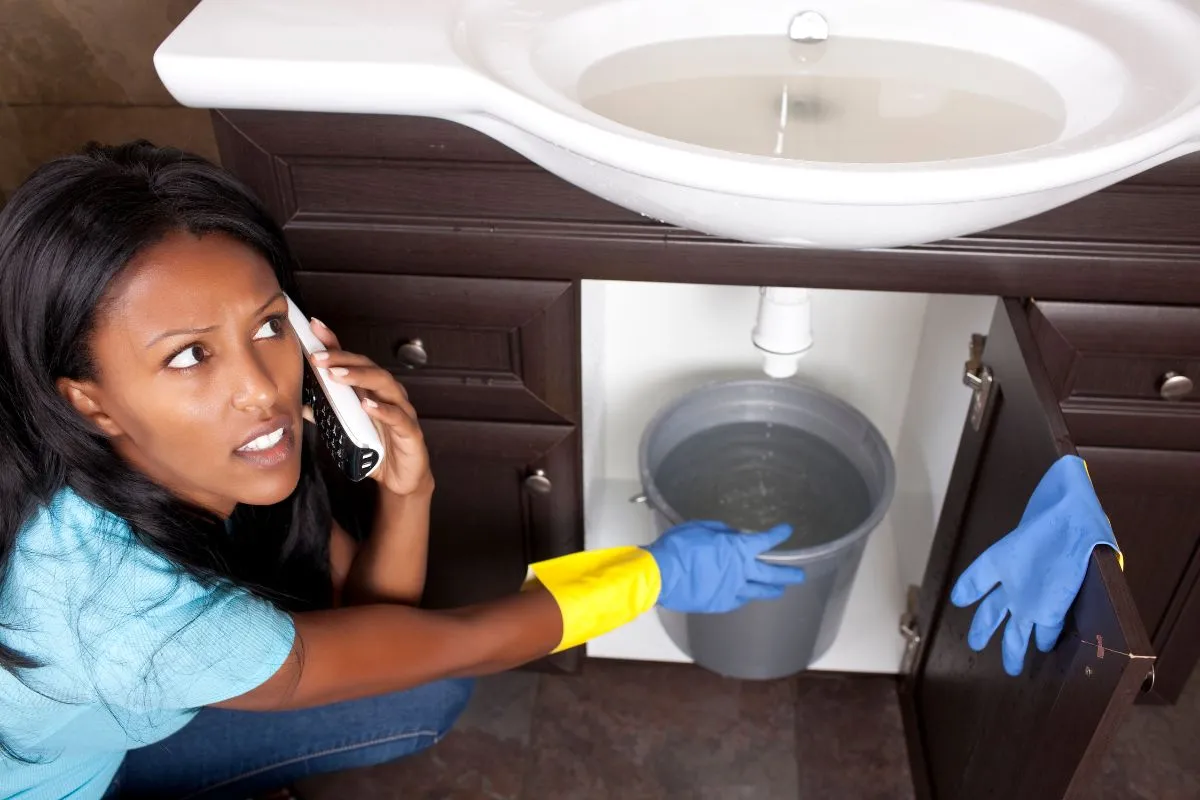
- Bucket: Catch any excess water.
- Screwdriver: Remove drain covers easily.
- Safety goggles: Shield your eyes from splashes.
- Towels: Keep your workspace clean and dry.
Essential tools for the job
For effective drain snake usage, gather essential tools like a drain snake, bucket, gloves, flashlight, and wrench. Ensure a sturdy pair of rubber gloves for safety. A bucket helps catch debris, while a flashlight aids visibility in tight spaces.
Safety measures to consider
- Wear protective gloves to avoid cuts.
- Use goggles to protect your eyes.
- Ensure proper ventilation in the area.
- Check the snake for damage before use.
- Keep the area dry to prevent slips.
- Unplug appliances nearby to avoid shocks.
Safety remains crucial in drain snake usage. These precautions help prevent accidents and ensure a smooth process.
Step-by-step guide to using a drain snake
Clear the area around the drain. Insert the drain snake carefully, rotating to navigate bends. Push gently until you feel resistance. Rotate to dislodge the clog. Retract slowly, removing debris. Run water to ensure blockage clears. Always clean the snake after use.
Preparing your workspace
Clear and organize your workspace before using a drain snake. Remove items around the sink or tub for easy access. Ensure good lighting to see the area clearly. Gather all necessary tools and materials nearby. Protect surfaces from potential water spills with a tarp or towels. Keep a bucket ready for debris.
- Clear the area
- Ensure good lighting
- Gather tools
- Protect surfaces
- Have a bucket ready
Inserting and maneuvering the snake
Gently insert the drain snake into the pipe until you feel resistance. Rotate the handle clockwise to break through the clog and push forward. If the snake gets stuck, reverse slightly before continuing to avoid damaging the pipe.
Clearing the blockage effectively
To effectively clear a blockage, insert the snake into the drain slowly. Rotate the handle to grip the clog. Apply steady pressure while turning. Withdraw the snake gently to avoid damaging pipes. Clean the snake thoroughly after use to maintain its effectiveness. If dealing with a particularly tough clog in your kitchen, patience is key. Don’t rush the process, and ensure you have a firm grip on the handle for control. This technique proves useful for clearing a clogged drain in your area.
Troubleshooting common issues
When facing issues with a drain snake, try these solutions:
- Snake won’t turn: Apply more pressure or try a different angle.
- Snake gets stuck: Gently pull and twist to release.
- Clog remains: Repeat the process or use a chemical cleaner.
- Damage to pipes: Inspect pipes for cracks, call a plumber if needed.
Dealing with stubborn clogs
Tackle stubborn clogs by using a drain snake with a bit more persistence. First, ensure the snake reaches the clog by extending it fully. Turn the handle slowly to latch onto the debris. Apply steady pressure as you rotate the snake. If resistance remains, retract and reinsert the snake, adjusting angles. Consider using a plunger in conjunction to dislodge tougher blockages. For clogs that refuse to budge, try a chemical drain cleaner as a last resort. Always wear gloves and goggles to protect yourself from splashes and debris.
Preventing future clogs
Regular maintenance helps keep your drains clear. Follow these steps to ensure smooth water flow:
- Use drain strainers to catch debris.
- Avoid pouring grease down the sink.
- Flush drains with hot water weekly.
- Use a mixture of baking soda and vinegar monthly.
- Check and clean drain stoppers regularly.
- Inspect and clear gutters to prevent overflow.
For those living in cities with older plumbing systems, avoiding blocked drains in LA involves more frequent checks and professional inspections. Regular care minimizes the risk of future clogs.
Additional tips for maintaining your drains
Regularly run hot water through drains to prevent buildup. Use a vinegar and baking soda mix monthly for natural cleaning. Avoid pouring grease down the sink to reduce clogs. Consider installing drain strainers to catch debris and maintain a smooth flow.
Routine maintenance practices
Regularly flush drains with hot water and a mix of vinegar and baking soda to prevent clogs. This simple method helps maintain clear pipes and reduces buildup. For those in urban areas, sustaining clear drains in New York requires similar attention to detail. Additionally, proactive drain maintenance in San Francisco suggests avoiding grease disposal in sinks to prolong drain health.
When to call a professional plumber
If the clog remains after several attempts with your drain snake, it might be time to call a professional plumber. Persistent blockages could indicate a deeper issue within your plumbing system. Also, if you notice strange noises or foul odors, a plumber’s expertise becomes crucial. They can identify hidden problems and ensure your pipes function smoothly.
Popular Questions
What is the main purpose of a drain snake?
A drain snake removes clogs from pipes. It reaches deep blockages that plungers can’t clear.
How do I choose the right type of drain snake?
Consider the pipe size and clog type. For home use, a hand auger suits most needs.
What safety precautions should I take when using a drain snake?
Wear gloves and goggles. Ensure the area is dry to avoid slips.
Can a drain snake damage my pipes?
Yes, if misused. Use gentle pressure and avoid excessive force to prevent pipe damage.
How often should I perform routine drain maintenance?
Perform maintenance monthly. It helps prevent clogs and keeps drains flowing smoothly.
