Your home’s plumbing system in Los Angeles is constantly exposed to food debris, grease, and organic residues that can solidify within the pipes. Given the city’s often high temperatures, this can accelerate the accumulation of grease and limescale. These issues, coupled with the natural wear and tear of plumbing in older buildings, make drain maintenance even more vital.
Sommaire
ToggleThe risks of poorly maintained drains
Neglecting drain maintenance can lead to a series of problems that not only affect your comfort but also your budget. Here are the main risks:
Frequent blockages
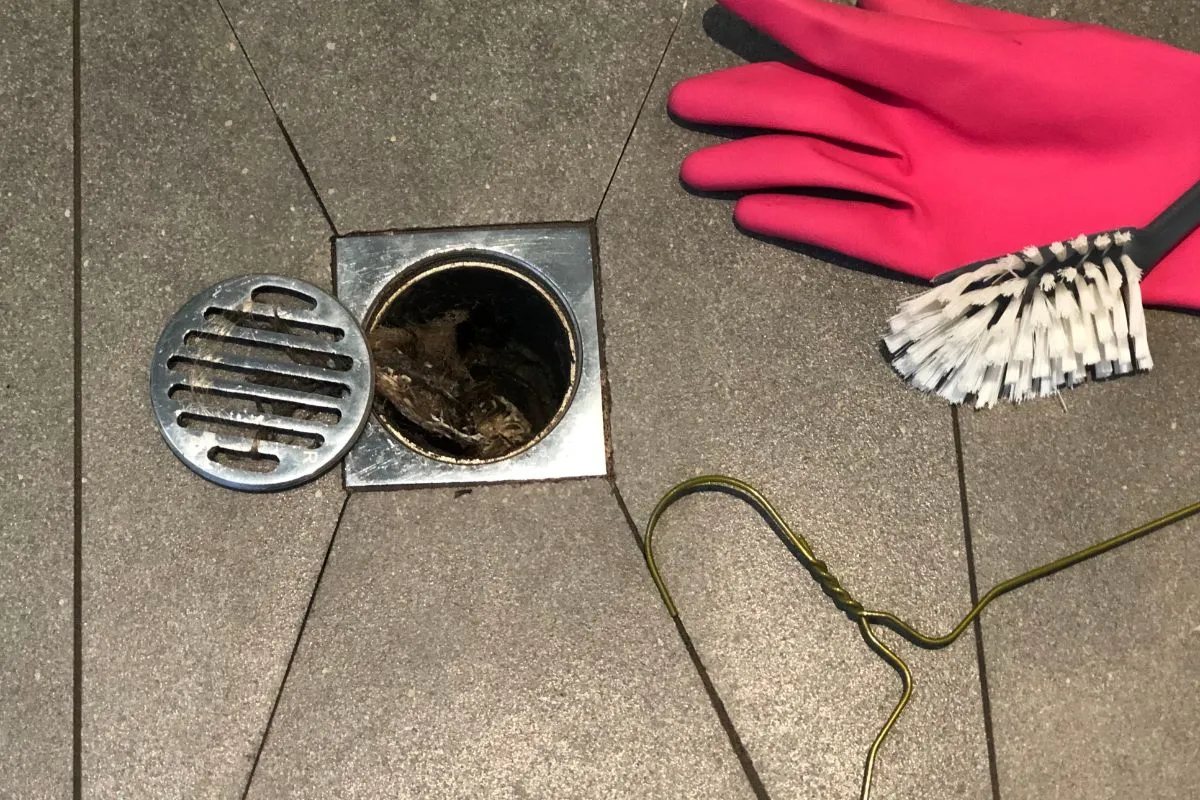
Grease, hair, food scraps, and chemicals mix together and accumulate in your pipes, creating blockages that can result in slow drainage or even a total system failure. These obstructions can develop gradually, making the problem harder to detect before it becomes serious.
Foul odors
The accumulation of organic matter in your pipes creates an environment conducive to the growth of mold and bacteria. This generates unpleasant odors that can spread throughout your home, affecting your comfort and air quality.
Costly water damage
A blocked drain can lead to leaks or water backups. This can cause flooding, moisture stains on walls, floor damage, and, in the worst cases, structural damage, which requires expensive repairs. Additionally, stagnant water can promote mold growth.
How to effectively maintain your drains: Simple and effective solutions
There are many ways to maintain your drains, ranging from natural solutions to more industrial methods. Here are some simple and effective techniques to prevent blockages and keep your pipes clean:
Natural method: Baking soda and vinegar
A simple and economical solution to clear and deodorize your drains is to use baking soda and white vinegar. Here’s how to do it:
- Pour half a cup of baking soda into the drain.
- Add half a cup of white vinegar and let the reaction take place.
- Cover and let it sit for 30 minutes to an hour.
- Rinse with hot water.
This method is not only effective against grease and food residues, but it’s also eco-friendly and safe for your pipes.
Using boiling water
Once a week, pour boiling water down your drains. This helps dissolve grease and maintain smooth water flow. This method is particularly useful in the kitchen, where grease buildup is common.
Install drain filters and screens
To prevent food debris and hair from entering your pipes, it’s advisable to install drain screens or filters. These accessories are inexpensive and easy to use.
Cleaning siphons
The traps under sinks are sensitive areas where debris can accumulate. To clean them, simply:
- Unscrew the siphon.
- Empty the debris into a bucket.
- Clean it with a brush and warm soapy water.
- Rinse and reassemble.
This helps prevent blockages and keeps the drainage system effective.
Calling a professional
If your drains are heavily clogged or if you notice recurring issues despite regular maintenance, it’s advisable to call a professional plumber. A plumber can perform a deep clean using techniques like hydro-jetting, a high-pressure cleaning method that removes even the most stubborn blockages.
Prevention of blockages: Good habits to adopt
The best way to avoid costly problems is by adopting preventive habits. Here are a few tips to keep your drains clean and functional:
- Never pour grease into the sink or toilet.
- Avoid throwing food scraps down the drain.
- Use a drain filter to catch food debris and hair.
- Regularly check pipes and siphons for early signs of blockages.
In Los Angeles, where the climate and urban density can test your plumbing, it’s crucial to keep your drains in good condition. Regular cleaning can prevent blockages, foul odors, and costly water damage. By applying the simple methods mentioned above and adopting good maintenance habits, you can prolong the life of your pipes and avoid expensive repairs. Don’t neglect this preventive task, and your plumbing will stay in excellent condition for years to come.
